Insider Rubbish Removal Tips Ruislip Lido
Posted on 13/08/2026
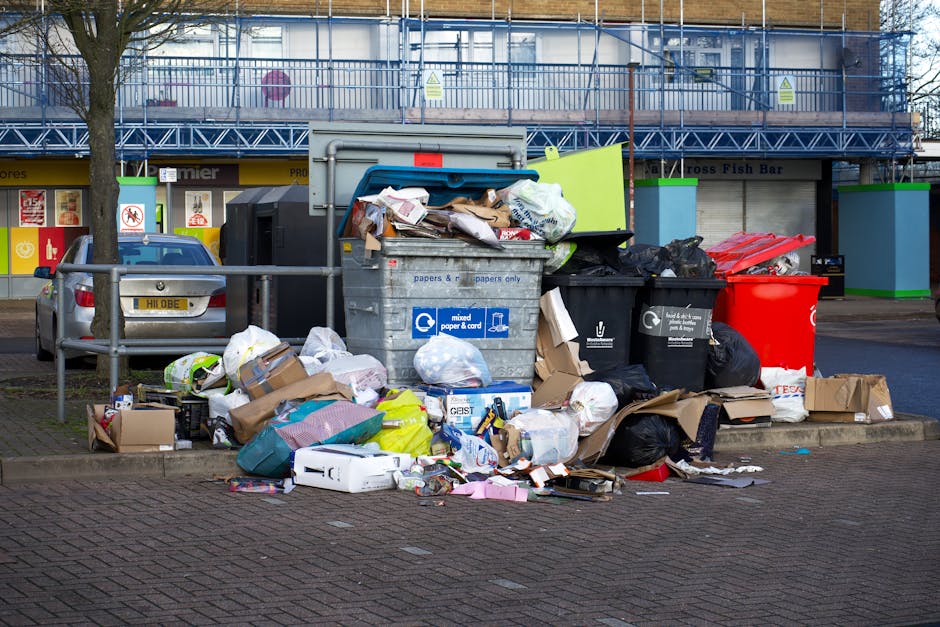
If you are trying to clear out rubbish around Ruislip Lido, the job can look simple on the surface and then become oddly fiddly halfway through. A broken wardrobe, a pile of garden cuttings, a few bags from a flat move, maybe a tired appliance that has been sitting there for weeks... suddenly you are juggling space, timing, access, and what can actually be taken away safely. That is where Insider Rubbish Removal Tips Ruislip Lido come in handy. This guide is built to help you sort waste faster, avoid common mistakes, and make better choices whether you are handling a one-off tidy-up or a bigger clearance.
Ruislip Lido has its own rhythm. Busy weekends, limited parking in some spots, family footfall, and the general reality of London streets all affect how rubbish removal works in practice. So let's keep this grounded: what to do, what to avoid, and how to make the whole thing feel less chaotic. Not perfect. Just easier.
- Why these tips matter at Ruislip Lido
- How rubbish removal works in practice
- Benefits of getting it right
- Who this is for
- Step-by-step guidance
- Expert tips that save time and hassle
- Mistakes to avoid
- Tools and resources
- Compliance and best practice
- Methods compared
- Real-world example
- Practical checklist
- Conclusion
- Frequently asked questions
Why Insider Rubbish Removal Tips Ruislip Lido Matters
Good rubbish removal is not just about making the mess disappear. Around Ruislip Lido, it often comes down to managing access, weather, timing, and the type of waste you have. If you wait too long, the job grows arms and legs. Bags split, cardboard soaks through, unwanted furniture becomes an awkward obstacle, and what should have been a tidy collection turns into a longer, more expensive clear-out.
The area also has a mix of homes, leisure visitors, small businesses, and properties that can generate different kinds of waste. One person is clearing a garden shed. Another is getting rid of old office chairs. Someone else is dealing with post-renovation debris after a weekend DIY push. Each scenario needs a slightly different approach. That is the real reason local know-how matters.
There is also the trust angle. If you are paying for a waste service, you want it handled properly, with the right paperwork, responsible disposal, and no strange surprises at the end. A bit of preparation avoids awkward conversations later. To be fair, nobody likes discovering their "quick clearance" has turned into a longer day than planned.
For broader local context, some readers also find it helpful to explore related reading such as the local charm of Ruislip and the practical local guide to Ruislip, because the area itself shapes how rubbish removal tends to work.
How Insider Rubbish Removal Tips Ruislip Lido Works
At its simplest, rubbish removal works by identifying what needs to go, separating the waste types, choosing the right collection method, and making sure the waste ends up somewhere appropriate. The "insider" part is really about doing that in the right order and with a bit of local sense.
Here is the rough flow most people follow:
- Sort the waste into categories such as general rubbish, furniture, garden waste, electrical items, and building debris.
- Check access so you know whether items can be taken from a front path, side gate, driveway, flat, loft, or commercial unit.
- Estimate volume as accurately as you can. A small pile looks tiny until it is stacked properly.
- Decide on the removal method - DIY trips, council options where suitable, or a professional clearance service.
- Confirm compliance if the waste includes regulated items, electricals, or construction debris.
- Book a realistic time slot so the collection does not clash with traffic, neighbours, school runs, or visitor movement near the Lido.
The best results come from thinking a step ahead. For example, if you are clearing a shed, do not drag everything into the garden first and hope for the best. Separate sharp waste, wood, metal, and general junk before collection day. It saves time, reduces handling risks, and usually makes the quote process cleaner too.
If you are dealing with heavier loads or a mixed clear-out, a service like our services overview is useful for seeing how different disposal needs are typically handled, from household clutter to more involved clearances.
Key Benefits and Practical Advantages
When rubbish removal is handled well, the benefits are obvious pretty quickly. The space looks better, smells better, and stops nagging at you every time you walk past it. But there are a few less obvious wins too.
- Faster turnaround: A sorted load is usually quicker to collect and process.
- Less stress: You are not dealing with last-minute panic on collection day.
- Better value: Good preparation can reduce wasted time and extra handling.
- Safer movement: Clear pathways reduce trips, scrapes, and awkward lifting.
- Cleaner disposal decisions: Reusable and recyclable items are easier to separate early.
- More room restored: That spare room or garage starts working for you again.
There is a quiet practical benefit too: the better your waste is organised, the easier it becomes to judge whether you need a full clearance, a simple collection, or a specific service. A lot of people think they need "everything taken" when actually they only need two or three categories removed. That distinction matters.
If sustainability matters to you, it is worth reading about the company's approach to recycling and sustainability. Responsible sorting is not just a nice extra; it is part of modern waste handling done properly.
Who This Is For and When It Makes Sense
This kind of guidance helps more people than you might think. It is not only for homeowners doing a giant declutter. It is also for landlords, tenants, local businesses, and anyone trying to clear waste without making a small problem into a bigger one.
It makes sense if you are:
- moving out of a flat or house and need a fast reset
- clearing a loft, garage, shed, or storage space
- getting rid of old furniture or appliances
- tidying up after garden work or seasonal pruning
- preparing a property for sale, rent, or refurbishment
- handling office waste, shop waste, or stock-room clutter
- sorting building or DIY debris after work on the property
It is especially useful when the waste is mixed. Mixed waste is where people often underestimate the job. One minute it is "just a few bits," next minute you have wood, plaster, broken fixtures, packaging, and an old mattress all in one corner. Not glamorous, but very common.
People looking at the local property side of things may also find value in the Ruislip real estate guide and the property buying investment guide, because disposal and presentation often go hand in hand when you are improving a place.
Step-by-Step Guidance
If you want the simplest possible system, use this one. It is not fancy, but it works.
- Walk the site first. Look at everything that needs to go and note what is bulky, fragile, sharp, or heavy.
- Separate items into clear groups. Keep furniture, electricals, garden material, builder's waste, and general rubbish apart where possible.
- Take photos if you are getting a quote. A few clear images help with estimating volume and access. A dark corner photo is not much use, honestly.
- Check what needs special handling. Fridges, freezers, paint, tyres, batteries, and certain electrical items should not just be lumped together with ordinary waste.
- Clear a route first. Make sure hallways, stairwells, gates, and driveways are usable before the collection begins.
- Label or group items for reuse, recycling, and disposal. This makes the process smoother and usually smarter environmentally too.
- Arrange collection at a sensible time. If access is tight, quieter parts of the day are often better.
- Do a final sweep. Check cupboards, under stairs, corners, and loft eaves before the team leaves.
A practical tip: if you are not sure whether something is rubbish, recycling, or reusable, set it aside in a separate "maybe" pile. That one tiny habit stops a lot of back-and-forth. And yes, it sounds a bit obvious. In practice, people forget it all the time.
Expert Tips for Better Results
These are the small decisions that make rubbish removal smoother around Ruislip Lido. They are not dramatic. They just save time, money, and the sort of frustration that makes you mutter under your breath while dragging bags to the kerb.
- Flatten what can be flattened. Cardboard boxes, light packaging, and some dismantled furniture take less room when broken down properly.
- Keep wet waste separate. Damp garden cuttings and soggy cardboard become heavy fast.
- Remove drawers and loose parts. Bulky furniture often becomes much easier to carry once it is stripped down a bit.
- Protect floors and walls. Especially in narrow hallways or older properties where scuffs happen in a blink.
- Use the right bag or container. Overfilled bags tear, and then you have a second job no one wanted.
- Think in terms of load shape, not just volume. An awkward sofa can be more time-consuming than a pile of smaller bags.
One thing people often miss is the access route. A collection can be straightforward on paper and irritating in real life if there is a narrow gate, low branch, tight stairwell, or nowhere to park safely. That does not mean the job cannot be done; it just means preparation is doing some of the heavy lifting for you.
For larger clean-ups, especially where access and timing matter, it is worth looking at house clearance options or loft clearance support rather than trying to piece everything together one trip at a time.

Common Mistakes to Avoid
People usually do not get rubbish removal wrong because they are careless. More often, they are rushed. Or they are trying to save a bit of time and accidentally create more work. Happens all the time.
- Mixing everything together: This makes sorting harder and can slow down the whole process.
- Underestimating access problems: A narrow passage or restricted parking can change the plan completely.
- Leaving sorting until the last minute: That is how collections get delayed and quotes become less accurate.
- Forgetting special waste: Appliances, hazardous materials, and some construction waste need more care.
- Stacking items unsafely: Wobbly piles, hidden nails, and loose glass are a bad combination.
- Assuming all disposal options are the same: They are not. Different waste types need different handling.
Another common mistake is booking the wrong kind of service for the job. A few bags of domestic waste are not the same as a post-refurbishment pile of timber, plasterboard, and broken fittings. Matching the service to the waste is one of the easiest ways to avoid paying for the wrong thing.
For readers who like to compare service types before deciding, the waste clearance page and rubbish collection information can be useful starting points.
Tools, Resources and Recommendations
You do not need a van full of fancy kit to deal with rubbish properly. Most of the time, a few simple tools are enough. What matters is using them well.
- Strong gloves: Useful for sharp edges, splinters, and grimy items.
- Heavy-duty bags: Better than flimsy sacks that split on the first lift.
- Box cutter or screwdriver: Handy for breaking down packaging and furniture.
- Dust sheets or old blankets: Good for protecting floors and carrying awkward items.
- Flashlight: Especially useful for lofts, cupboards, sheds, and under-stair spaces.
- Marker pen and labels: Ideal for sorting waste into keep, donate, recycle, and dispose piles.
On the decision-making side, a useful rule of thumb is this: if the waste is bulky, mixed, or time-sensitive, it is usually better to get advice before moving everything around twice. That small pause can save a surprising amount of effort.
Also, if you are weighing up service options, look at the company's pricing and quotes approach and make sure you understand what is included before confirming anything. Clear pricing tends to prevent messy misunderstandings later.
Law, Compliance, Standards, or Best Practice
Waste handling in the UK is not something to take casually. You do not need to memorise every line of regulation to make a sensible decision, but you should know the basics. Responsible waste carriers should be properly licensed where required, should handle waste safely, and should be able to show that they follow appropriate disposal and transfer practices.
For you as the customer, the practical best practice is simple:
- use a waste carrier that can demonstrate compliance
- avoid fly-tipping risks by never handing rubbish to an unknown operator
- keep a basic record of what was collected and when
- separate items that may need special treatment
- follow safe lifting and packing methods
If you are hiring a service, it is sensible to check the company's own explanation of waste carrier licence and compliance. That is one of those pages people skip until they need it. Then they are very glad it exists.
Safety matters too. Heavy items, broken furniture, and electrical appliances can injure people if they are handled carelessly. If the job feels awkward or risky, use a proper service and let trained people manage it. No hero points for pulling a muscle on a Saturday morning.
For anyone who wants a broader look at the company's values and operational standards, the insurance and safety information and about us page can help build confidence before booking.
Options, Methods, or Comparison Table
Different rubbish removal methods suit different situations. The best choice depends on volume, speed, budget, access, and what exactly needs to go. Here is a straightforward comparison.
| Method | Best for | Strengths | Limitations |
|---|---|---|---|
| Self-removal | Small, light loads | Can be flexible and low-cost if you already have transport | Time-consuming, physically demanding, and easy to underestimate |
| Council-style disposal routes | Limited domestic waste in suitable cases | Can work for straightforward household items | Not ideal for bulky, mixed, urgent, or specialised waste |
| Professional rubbish collection | Mixed or bulky loads | Fast, convenient, and usually far less stressful | Cost depends on volume, access, and waste type |
| Full house or office clearance | Large or complex jobs | Comprehensive and efficient for major clear-outs | May be more than you need for a small load |
Truth be told, the best option is often the one that matches the waste rather than the one that sounds cheapest in the moment. Cheap can become expensive if it takes three extra trips, a sore back, and half the day.
If the load includes specific items like old sofas, wardrobes, fridges, or garden debris, the most suitable path may be a targeted service such as furniture removal, appliance disposal, or garden waste removal.
Case Study or Real-World Example
Here is a realistic example from a typical Ruislip Lido-style clear-out. A family has finished a spring tidy-up and now has three categories of waste: garden cuttings, a broken chest of drawers, and several bags of general clutter from a spare room. Nothing dramatic, but enough to be annoying. The garden waste is light but bulky. The furniture is awkward because it has to be carried through a narrow hallway. The general waste is easy enough, but it is mixed with recyclable packaging.
What works best? First, the family separates the load into three piles before collection day. Then they break the furniture down a bit, clear a straight route to the front, and check whether anything in the "clutter" pile is reusable or should be kept aside. Because the waste is already sorted, the collection is quicker and the team does not waste time figuring out what is what.
The nice part is not just the speed. The whole house feels calmer afterwards. One of those small domestic wins that somehow improves the mood of the week. You know the feeling.
That same principle also works for commercial situations. A local office preparing to update furniture can reduce disruption by separating desks, chairs, paperwork, and electricals before collection. It is the same logic, just with a few more moving parts.
Practical Checklist
Use this checklist before any rubbish removal job near Ruislip Lido.
- Identify every item that needs to go
- Separate furniture, appliances, garden waste, and general rubbish
- Check for sharp, heavy, wet, or awkward items
- Confirm access through gates, hallways, stairwells, or driveways
- Take photos if you need an estimate or quote
- Clear a safe route for lifting and carrying
- Keep recyclable or reusable items apart where possible
- Check whether any item needs special treatment
- Choose the right service for the actual waste type
- Review safety and compliance details before booking
- Do a final sweep of cupboards, lofts, corners, and shelves
Expert summary: the smartest rubbish removal jobs are the ones that are sorted before anyone arrives. Good sorting, clear access, and realistic expectations do most of the heavy lifting. The rest is just execution.
Get a free quote today and see how much you can save.
Conclusion
Insider rubbish removal tips for Ruislip Lido are really about one thing: making the job easier before it gets difficult. Sort early, think about access, match the waste to the right method, and do not leave the awkward bits until the end. Simple advice, yes, but it saves a lot of trouble in real life.
Whether you are clearing a home, a garden, a loft, or a workplace, the same principles apply. Plan well, keep safety in mind, and use a service that understands waste handling properly. That way, the mess goes, the space comes back, and you are not left staring at a pile of rubbish thinking, "Right... now what?"
And once it is done, you really do feel it. A little lighter. A little clearer. Sometimes that matters more than people admit.

 Tipper Van - Rubbish Removal and Commercial Clearance Prices in Ruislip, HA4
 Luton Van -